Language:

Home / Flooring Guides / ESD Flooring for Cleanrooms

ESD Flooring for Cleanrooms

Cleanroom and electronics floors carry two jobs at once: they must control static, and they must not shed particles into a controlled environment. ESD vinyl flooring does both — its resistance range is engineered to EN 1081, the surface becomes seamless when welded, and every batch ships with a resistance test protocol. One floor, one supplier, one testable system.

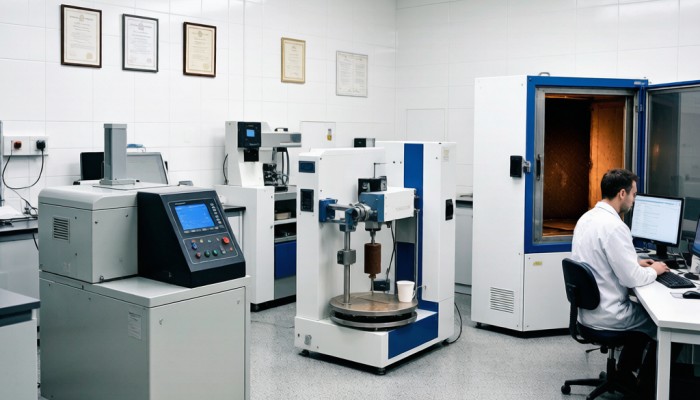
JINXUAN quality-control lab where ESD roll resistance is tested per batch

Every batch tested, not just sampled. Each production batch of ESD roll is measured for surface resistance before it leaves the plant, and the test report ships with the delivery. When your cleanroom auditor asks for proof of the floor's resistance range, you already have the paper in hand.

Image: JINXUAN quality-control lab — resistance testing of ESD roll before dispatch.
What Makes Cleanroom Flooring Different

An ESD floor is specified differently from any other floor — it has to do a technical job, not just look good.

Controlled static discharge

Static build-up from people and trolleys can damage electronics and disrupt cleanroom processes. ESD sheet holds a controlled resistance range — dissipative 10⁶–10¹¹ Ω or conductive 10⁴–10⁶ Ω per EN 1081 — so charge drains safely to earth instead of arcing.

Seamless, particle-free surface

Hot-welded seams with PVC welding wire create one continuous surface with no grout or gaps where particles and static can build up. Combined with coved wall junctions, the floor completes the cleanroom envelope instead of breaking it.

The floor is only half the system

Resistance alone does not make a room ESD-safe. The sheet must be earthed through copper strip and conductive adhesive, and used with ESD footwear. We supply the complete kit — sheet, copper strip, adhesive, welding wire and installation notes — so nothing is left to chance.

Compare Dissipative vs Conductive ESD Flooring

The two resistance classes suit different environments. Both are tested to EN 1081.

TypeResistance rangeBest forHow charge drains
Dissipative10⁶–10¹¹ ΩGeneral electronics assembly, labs, test rooms, most cleanroomsSlower, controlled discharge that protects sensitive components
Conductive10⁴–10⁶ ΩHigh-sensitivity areas, explosive atmospheres, rapid static build-up zonesFaster discharge for the most static-sensitive processes
Rule of thumb: start with dissipative for most cleanroom and electronics areas — it protects components while being more forgiving of installation variables. Move to conductive where the process demands a faster discharge path. Your ISO cleanroom class and process sensitivity decide; tell us both and we will recommend.

Recommended Products

The ESD floor is a matched set: the roll, the coved junctions and the standard sheet for the rest of the facility.

ESD Roll Flooring

ESD Roll Flooring

Dissipative or conductive ESD roll, tested per batch to EN 1081, with the resistance test protocol included.

Details →
PVC Cove Former

PVC Cove Former

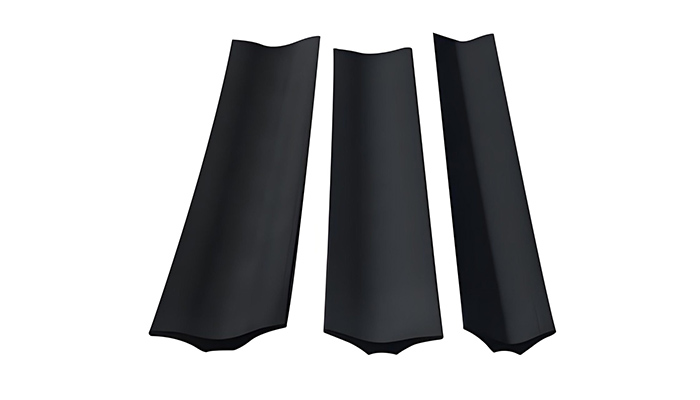
Coved wall junction that keeps the cleanroom envelope sealed and gives the floor a clean, sweepable corner.

Details →
PVC Homogeneous Sheet Flooring

PVC Homogeneous Sheet Flooring

For the non-ESD zones of the same facility — offices, corridors, staff areas — so you keep one supplier and one colour system.

Details →

ESD Flooring Checklist: What to Confirm Before Ordering

ESD flooring is specified on numbers, not looks. Send us these eight points and we can confirm the right system and documents on the first reply.

MOQ is one roll (500 sqm) for the ESD roll, 500 m for copper strip and accessories, and standard lead time is 15–20 days after order confirmation.

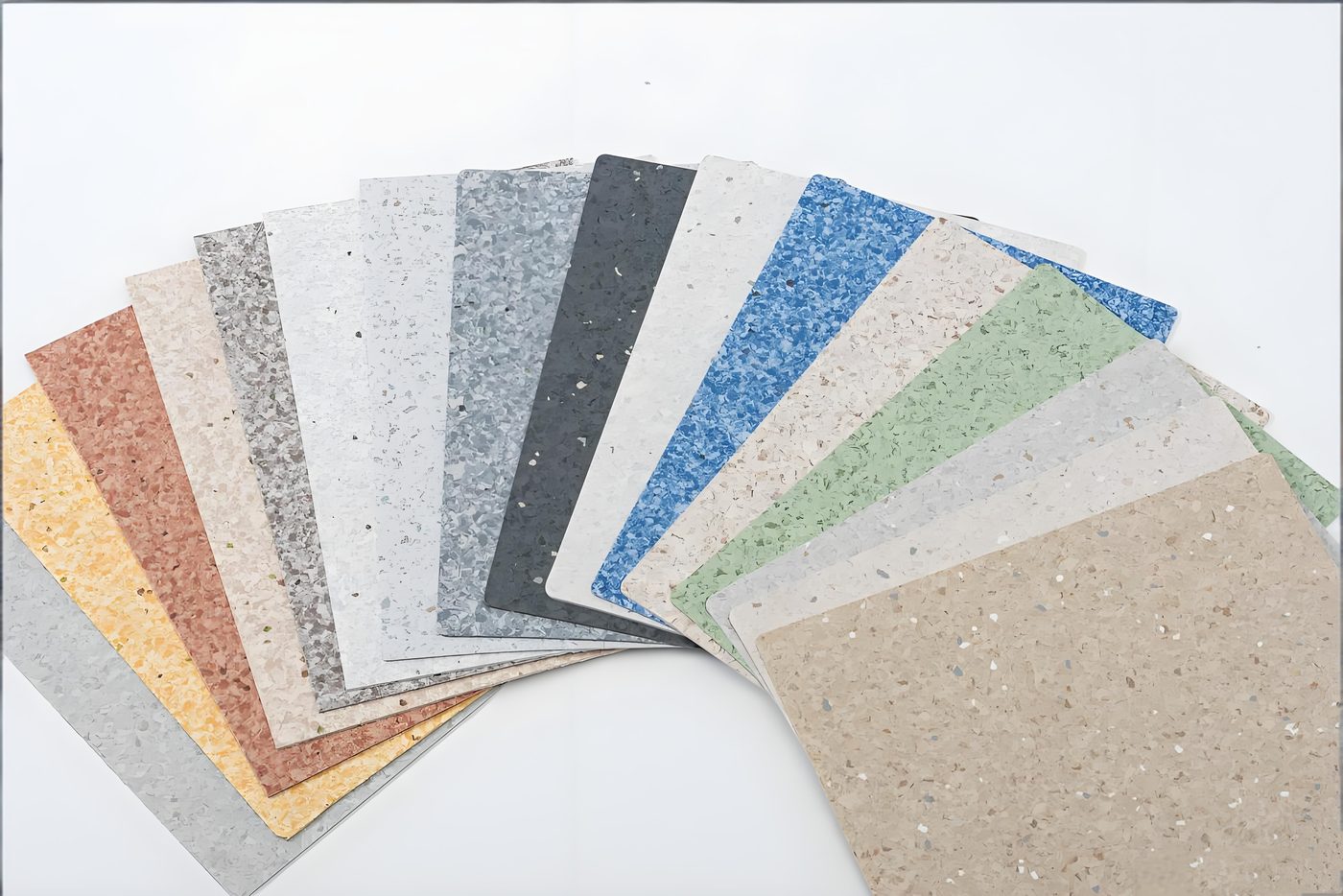
Choose from ESD colour families below — the full swatch sheet is sent with the quote.

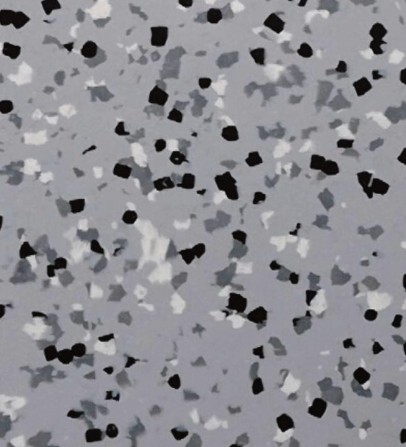
JXE1500 Light Grey ESD roll swatch
JXE1500 — Light Grey
JXE1501 Mid Grey ESD roll swatch
JXE1501 — Mid Grey
JXE1502 Blue Grey ESD roll swatch
JXE1502 — Blue Grey
JXE1505 Light Blue ESD roll swatch
JXE1505 — Light Blue

Three Notes for ESD Flooring Planning

Specify the system, not just the sheet

The resistance range only works when the copper strip, conductive adhesive and earthing are all in place. A sheet without the system is just a floor. Ask for the full kit and the strip layout plan.

Test reports matter more than claims

Cleanroom and electronics auditors work with documents. A per-batch resistance test protocol, ISO 9001/FloorScore certificates and installation notes are what close a specification — request them with the quote, not after delivery.

Plan the envelope, not just the floor

Welded seams and coved wall junctions turn the floor into part of the cleanroom envelope. Where the floor meets the wall is where particles and static leak in — cove it, weld it, and keep one colour system across the facility.

FAQ

What is the difference between dissipative and conductive ESD flooring?

Dissipative (10⁶–10¹¹ Ω) slows static discharge for general electronics. Conductive (10⁴–10⁶ Ω) discharges faster for high-sensitivity areas. We supply both, tested to EN 1081.

Does the floor itself make the room ESD-safe?

The floor is one part of the system — it must be earthed through copper strip and conductive adhesive, and used with ESD footwear. We supply the complete kit and installation notes.

Which resistance class should I choose?

Dissipative (10⁶–10¹¹ Ω) covers most electronics assembly and cleanroom areas. Conductive (10⁴–10⁶ Ω) is for high-sensitivity or rapid-static environments. Share your process spec and we will confirm.

Is the surface seamless enough for cleanrooms?

Yes. Hot-welded seams with PVC welding wire produce a continuous, smooth surface with no gaps — suitable for ISO-classified cleanrooms when combined with coved wall junctions.

Do you provide resistance test reports?

Yes. Each batch is tested and the resistance report is included with the shipment, which cleanroom and electronics projects typically require.

What is the MOQ and lead time?

MOQ is one roll (500 sqm) of ESD roll, or 500 m of copper strip and accessories depending on type. Standard lead time is 15-20 days after order confirmation, plus shipping time to your port.

Request a Quote

We reply within 24h via WhatsApp or email.

📞Chat on WhatsApp